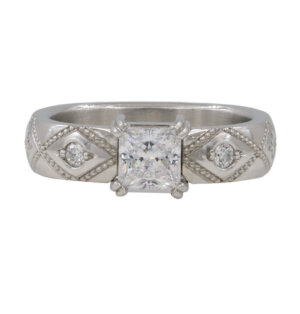
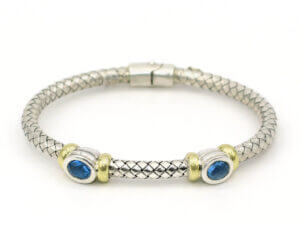
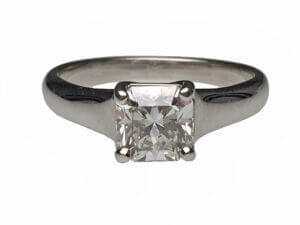
Reopening very soon (construction is taking longer than expected) We are aiming to be open by Sept 15th. If you need any assistance please email mike@lippas.com
After 93 wonderful years in downtown Burlington, our 112 Church St. retail location is now temporarily closed as we prepare to open our new location in Colchester, Vermont.
Our upcoming Colchester showroom will operate by appointment only, allowing us to offer a more private, tailored experience for buying, selling, and exploring our rare estate jewelry collection.
How to Reach Us During the Transition:
Shop Online 24/7: Explore and purchase our curated selection of fine vintage and antique jewelry anytime at lippas.com.
What is signed estate jewelry, and why is it valuable?
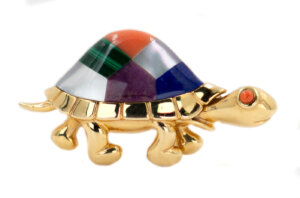
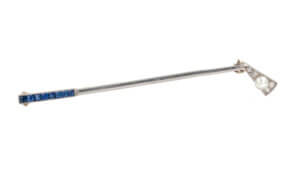
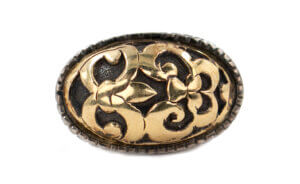
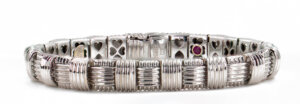
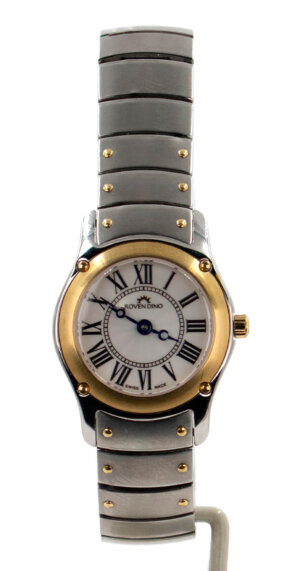
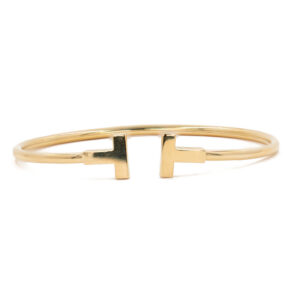
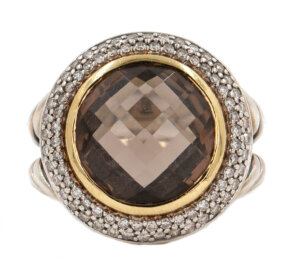
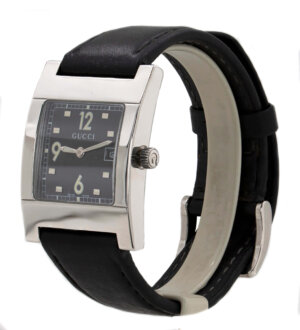
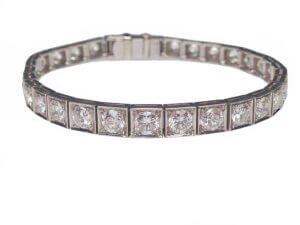
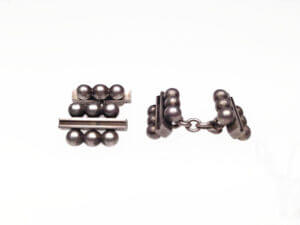
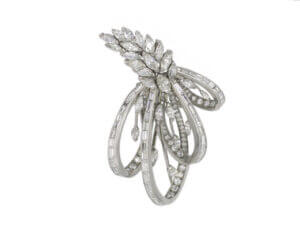
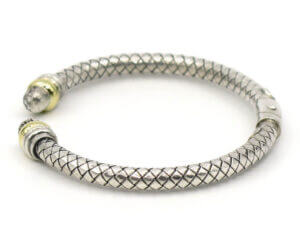
Signed estate jewelry refers to pieces stamped or engraved with the name or hallmark of a recognized jewelry house or designer — such as Cartier, Tiffany & Co., Van Cleef & Arpels, or David Webb. These signatures authenticate the piece’s origin and craftsmanship, significantly increasing its collectible and monetary value. Signed jewelry often reflects exceptional design and gemstone quality or rarity and is produced in limited quantities, making it highly sought after by collectors and connoisseurs.
How do I know if a piece of estate jewelry is truly signed?
Authentic signed pieces will feature a clearly legible maker’s mark, usually engraved discreetly on the inside of a ring band, the clasp of a necklace or bracelet, or the back of a brooch. At Lippa’s, each item in our signed jewelry collection is carefully examined to verify the hallmark and evaluate provenance. We rely on decades of experience as well as reference catalogs to confirm authenticity.
Does signed jewelry hold or increase in value over time?
Sometimes — signed pieces from prestigious designers tend to retain or appreciate in value, especially if they are in excellent condition, come with original packaging or paperwork, or are from notable collections. Like fine art, signed estate jewelry is considered an investment in both craftsmanship and history. Many clients purchase these pieces as wearable heirlooms that can be passed down or collected over time.
Can signed jewelry still be worn daily, or should it be preserved?
While many signed pieces are durable enough for regular wear — especially those made in platinum or gold — they should be worn with care. Accidental damage can affect long-term value. We recommend storing them in protective cases and having them professionally cleaned and inspected periodically. Lippa’s offers expert maintenance and restoration services to preserve the integrity of these rare pieces.