Tues - Friday 10 - 5:30, Thurs 10 - 4, Sat 11 - 4
Peridot: The History and Meaning Behind August’s Birthstone
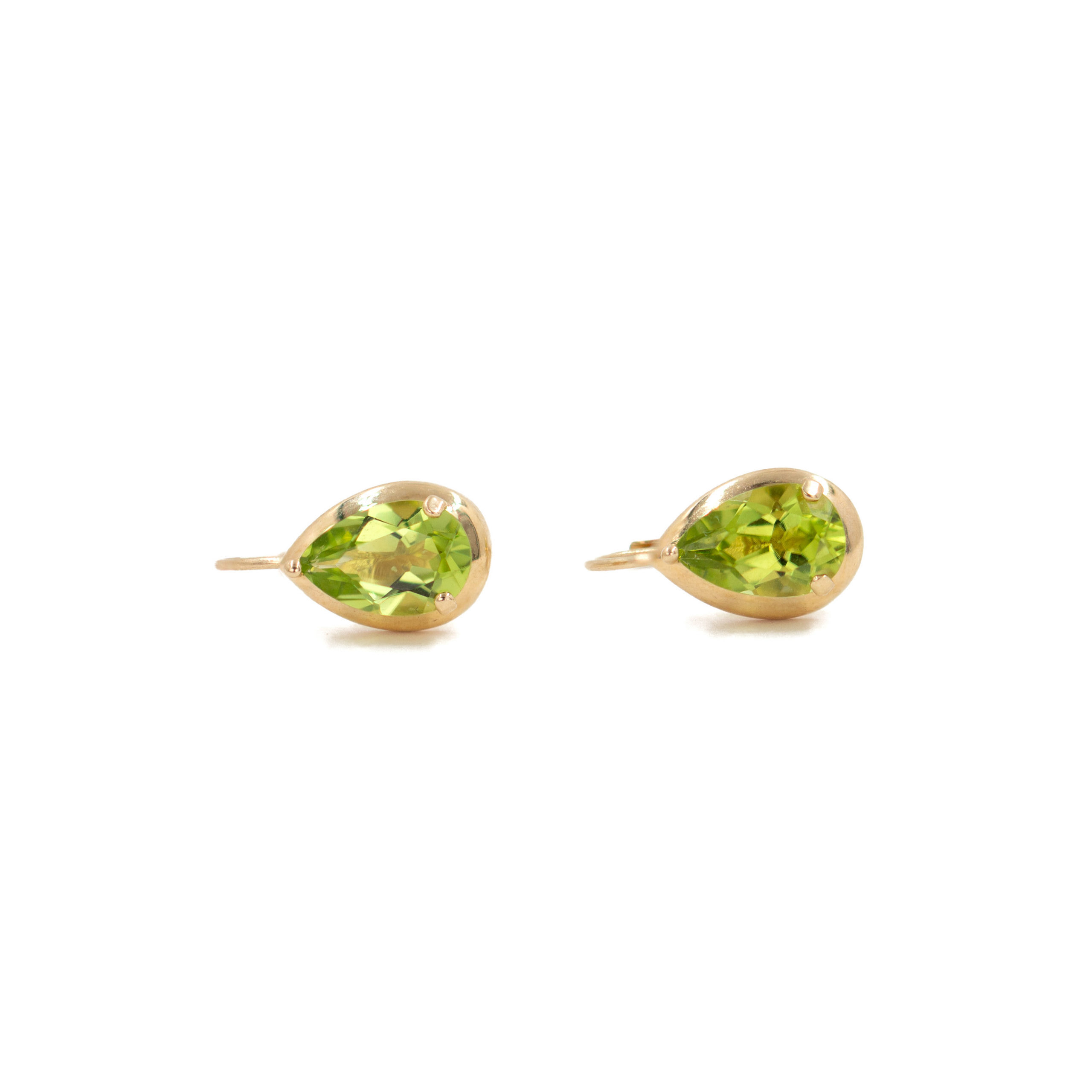
Peridot carries a warmth no other green gemstone quite manages: a sunlit, olive-gold cast that sets it apart from the cooler tones of emerald or tourmaline. As the official birthstone for August, it has become a favorite among collectors seeking vintage peridot jewelry with real character, and Lippa’s curated selection of peridot jewelry shows just how striking this often-overlooked gem can be.
Why Is Peridot the Birthstone for August?
Long before peridot appeared on any modern birthstone chart, sardonyx held the primary claim to August, based largely on Tiffany & Co.’s influential 1870 birthstone list. Peridot joined it as an alternate stone, and when the National Association of Jewelers formalized the modern birthstone calendar in 1912, peridot’s brighter, more wearable color gradually pushed it to the front of the list.
That shift makes sense once you understand peridot’s appeal: unlike many gemstones tied to symbolism or rarity, peridot earned its place through sheer visual presence, a glowing green-gold hue that looks equally at home in antique peridot jewelry and in contemporary settings.
An Ancient Gem With a Fiery Reputation
Peridot’s history predates its August designation by thousands of years. Ancient Egyptians mined the stone on Zabargad, a remote volcanic island in the Red Sea they called Topazios, and prized it as the “gem of the sun” for its resemblance to captured sunlight.
The mines on Zabargad were so well guarded that their exact location was lost to history for centuries, and some historians believe several stones long celebrated as part of Cleopatra’s famed emerald collection were, in fact, peridot. That detail has only added to the gem’s mystique among collectors of estate peridot jewelry today.
Born of Fire: A Gem That Sometimes Falls From the Sky
Peridot forms under conditions few other gemstones share. It crystallizes deep in the earth’s mantle and reaches the surface only through volcanic activity, which is why the green sand beaches of Hawaii, most famously Papakolea Beach, are made almost entirely of tiny peridot crystals washed from volcanic rock.
Even rarer, peridot has been found inside meteorites known as pallasites, making it one of a small handful of gemstones that has genuinely arrived on Earth from space. That fiery, otherworldly origin gives peridot a story that’s difficult for any other August birthstone to match.
Peridot’s Golden Age in Victorian and Art Nouveau Jewelry
Peridot saw its strongest period of popularity in the late 19th and early 20th centuries. Queen Victoria’s affection for colored gemstones helped drive demand for peridot throughout the Victorian era, where it appeared in warm gold settings alongside seed pearls and other soft, romantic accents.
The Art Nouveau movement embraced peridot even more directly. Its yellow-green tone suited the era’s fascination with botanical and insect motifs, and jewelers of the period used peridot to represent leaves, vines, and dragonfly wings in flowing, nature-inspired designs. Collectors exploring jewelry from this period will often find peridot playing a supporting role, and sometimes a starring one.
What to Look for When Buying Peridot Jewelry
Evaluating peridot differs somewhat from other colored gemstones, since its color and origin play a larger role in value than clarity does. The most prized stones lean toward a pure, vivid green with minimal brown or yellow undertone, a saturated hue sometimes called “evening emerald” in the trade for how it glows in low light. Clarity matters less by comparison: peridot typically forms with small natural inclusions, and minor ones are considered normal rather than a flaw, though larger or more visible inclusions can affect brilliance and value.
Carat size adds another layer of rarity to the equation. Peridot crystals large enough to cut into sizeable, clean gemstones are genuinely uncommon, and stones over five carats command a noticeable price jump, which is why fine large peridot is considered a real find in the estate market.
Care matters too, since peridot has a Mohs hardness of only 6.5 to 7, making it softer than sapphire or diamond and more sensitive to sudden temperature changes and harsh chemicals. It’s best cleaned with mild soap and a soft cloth rather than an ultrasonic cleaner, and should be removed before swimming or working with household cleaners. Reviewing a range of estate gemstone rings can help illustrate how these qualities show up differently across antique cuts, settings, and periods.
Sardonyx and Spinel: August’s Other Birthstones
Peridot may lead the August lineup today, but it shares the month with two lesser-known alternates. Sardonyx, a banded reddish-brown and white variety of chalcedony, was prized by ancient Romans for signet rings, since its smooth surface famously resisted sticking to hot wax seals.
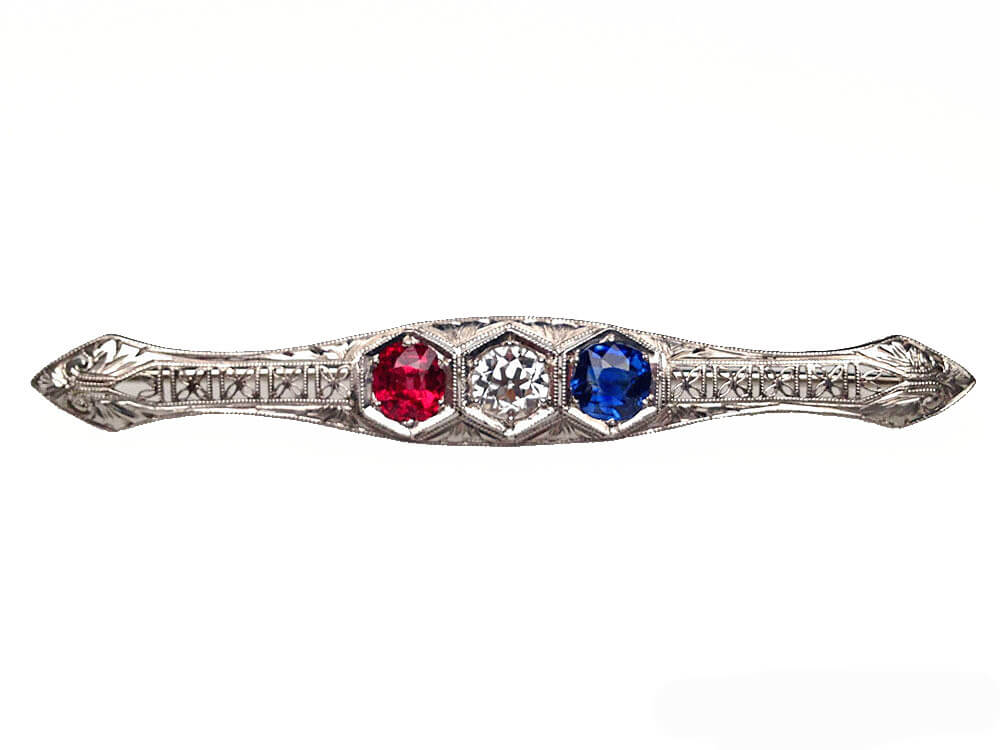
Spinel, added as a modern alternate birthstone more recently, has a longer history than most people realize. For centuries, red spinel was mistaken for ruby, and several of the world’s most famous “ruby” gems in royal collections, including the Black Prince’s Ruby set in the British Imperial State Crown, have since been identified as spinel. Spinel is a wonderful colored gemstone that comes in almost every color of the rainbow and exhibits deep saturation and incredible brilliance.
Discover Peridot Jewelry at Lippa’s
Between its volcanic origins, its Art Nouveau moment, and its arrival on Earth by way of meteorites, peridot has earned its place as one of the more unusual and underappreciated birthstones on the calendar. For August birthdays, or for anyone drawn to its sunlit color, vintage peridot jewelry offers a distinctive alternative to more predictable gemstone choices, each piece carrying a history as rich as its color.
Browse Lippa’s current peridot jewelry collection, or explore estate necklaces and pendants and gemstone rings to see how this radiant gem has been set across different eras.