Tues - Friday 10 - 5:30, Thurs 10 - 4, Sat 11 - 4
Vintage Jade Jewelry: Why Natural Jadeite Pieces Are So Rare (and Valuable)
Few gemstones carry the mystique, cultural significance, and quiet power of jade. For centuries, jade has been revered not just for its beauty, but for what it represents—prosperity, protection, and status. Today, that legacy continues, especially in the world of vintage jade jewelry, where truly exceptional pieces are becoming increasingly rare.
But not all jade is created equal. Understanding what makes certain jade pieces so valuable—particularly natural jadeite—can make all the difference when building a meaningful collection.
Why Jade Has Captivated Collectors for Centuries
Jade’s history stretches back thousands of years, with deep roots in Chinese culture, where it was considered more valuable than gold. It symbolized virtue, harmony, and immortality, and was often reserved for royalty and the elite.
Unlike many gemstones that are prized purely for brilliance or fire, jade is appreciated for its texture, depth of color, and subtle glow. This understated elegance is part of what continues to draw collectors toward vintage and antique jade jewelry today.
For those exploring unique and historically significant pieces, the broader world of estate jewelry offers a compelling entry point.
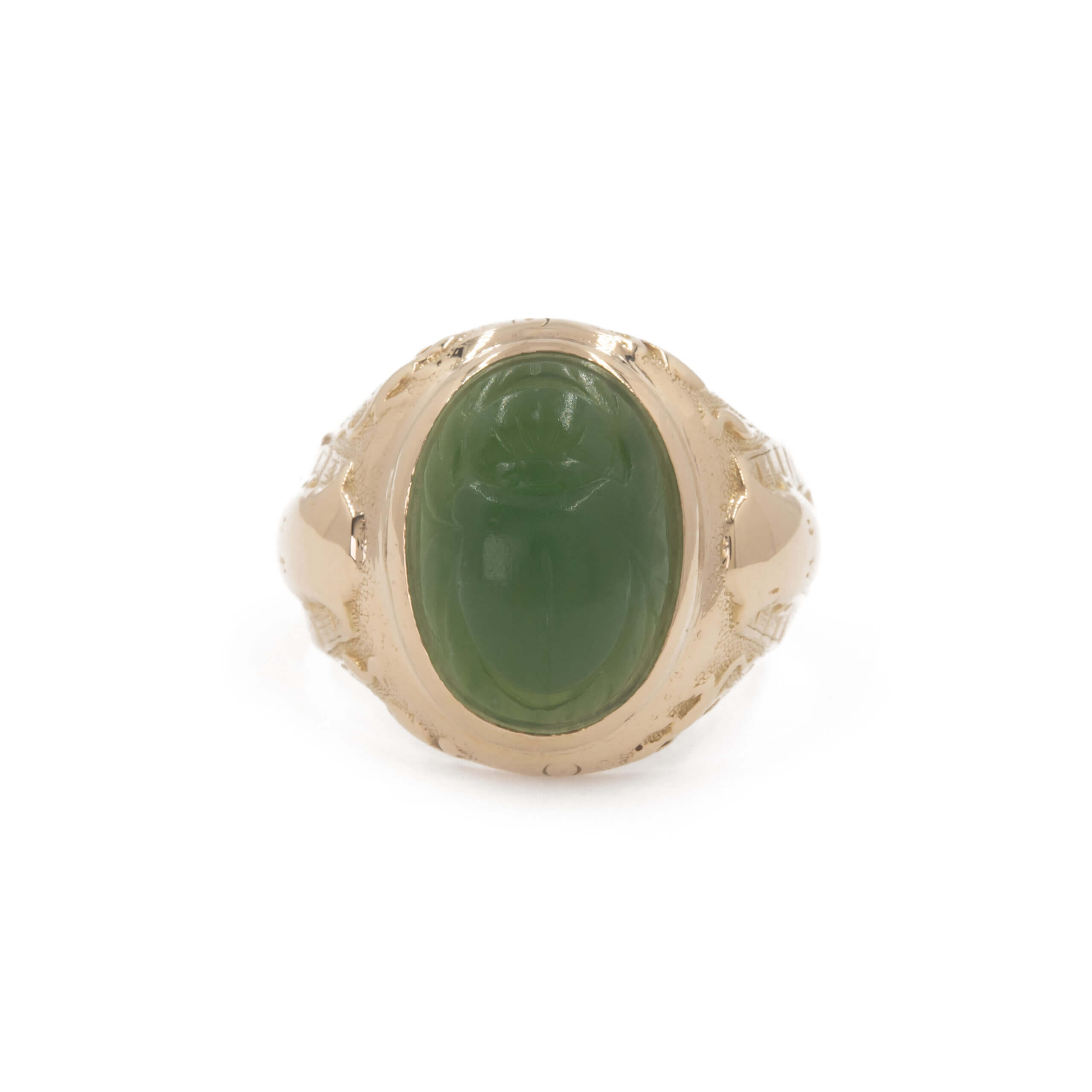
Jadeite vs. Nephrite — What Most Buyers Don’t Realize
One of the most important distinctions in jade is the difference between jadeite and nephrite—something many buyers are unaware of.
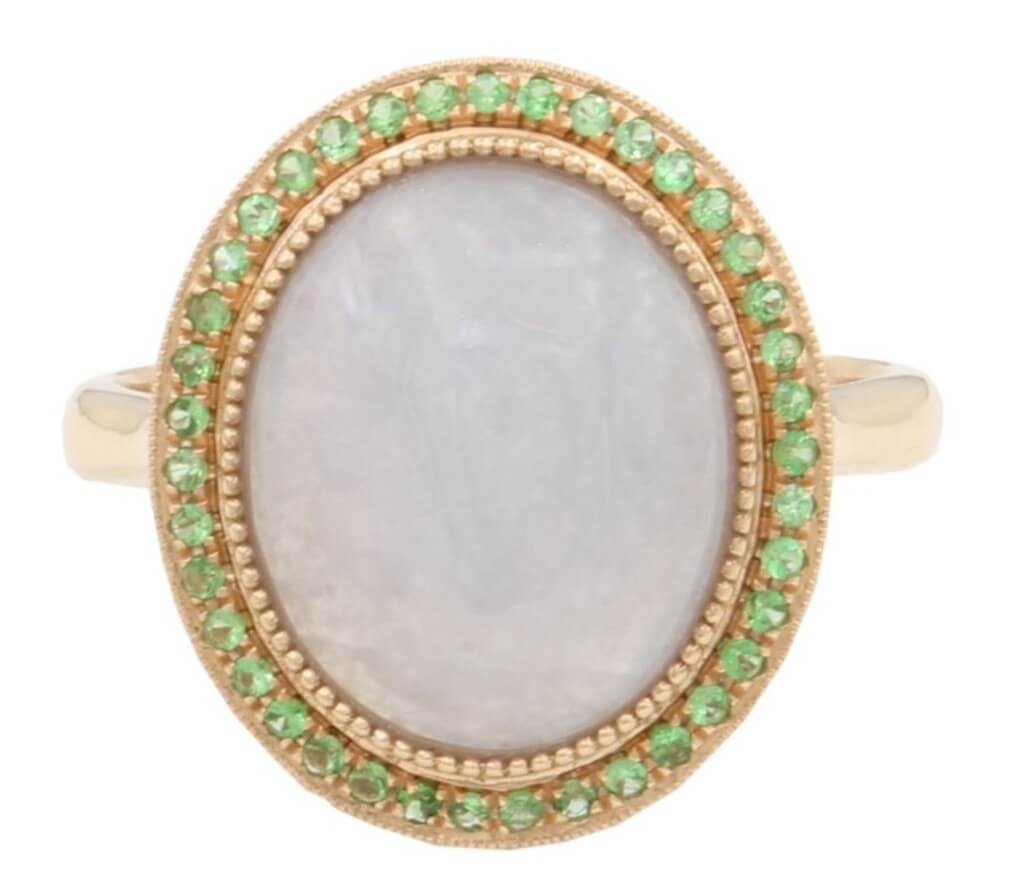
Jadeite is the rarer and more valuable of the two. It is known for its vibrant colors, particularly the highly prized “imperial green,” as well as lavender and icy translucent varieties. Nearly all of the world’s finest jadeite comes from Myanmar, and top-quality material is exceptionally scarce.
Nephrite, while still beautiful, is more abundant and generally less valuable. It tends to appear in softer greens, creams, and darker tones.
Most high-end vintage jade jewelry features jadeite, which is why understanding this distinction is essential when evaluating a piece.
What Makes Vintage Jade Jewelry So Valuable
Several factors determine the value of vintage jade jewelry, but none are more important than the quality and authenticity of the jade itself.
Color is the first thing collectors look for. The most desirable jadeite displays a rich, even green with a vivid yet natural appearance. Lavender jadeite is also highly collectible, particularly when it exhibits strong saturation.
Transparency plays a major role as well. The finest jadeite has a glowing, almost luminous quality that allows light to penetrate beneath the surface.
Texture, often described as “grain,” should be smooth and consistent, with no visible fractures or cloudiness. Combined with expert craftsmanship, these qualities elevate a piece from decorative to truly exceptional.
You can explore examples of this gemstone in Lippa’s curated selection of jade jewelry.
Why Truly Antique Jade Jewelry Is Increasingly Hard to Find
While jade has been used in jewelry for centuries, truly fine antique jadeite pieces are becoming harder to source.
Much of the highest-quality jadeite was mined decades ago, and production today yields far fewer stones of comparable caliber. At the same time, demand—particularly from international collectors—has surged.
Adding to the challenge is the prevalence of treated jade in the modern market. Many newer pieces undergo chemical treatments or dyeing to enhance color and clarity, making natural, untreated jadeite increasingly rare.
As a result, authentic vintage jade jewelry has become a finite resource, with fewer exceptional pieces entering the market each year.
How to Tell if Jade Jewelry Is Natural and Untreated
When evaluating jade, one of the most critical factors is whether the stone is natural and untreated.
Type A jade refers to completely natural jadeite that has not been chemically treated. This is the most valuable and desirable category.
Type B jade has been chemically treated to remove impurities and often impregnated with polymers to improve appearance. While it may look attractive initially, it is significantly less valuable and less stable over time.
Type C jade has been dyed to enhance its color, making it the least desirable among collectors.
Because these treatments are not always visible to the naked eye, purchasing from a trusted source is essential. Documentation, expertise, and careful curation all play a role in ensuring authenticity.
Why Estate Jade Jewelry Is Gaining Popularity Among Collectors
As awareness of jade quality grows, more collectors are turning toward estate pieces.
Unlike modern jewelry, estate jade jewelry offers a higher likelihood of featuring natural, untreated stones—especially when sourced from earlier periods. These pieces also carry a sense of history and individuality that modern designs often lack.
In a market where top-quality jadeite is increasingly scarce, estate jewelry represents both an aesthetic and investment opportunity.
How to Buy Vintage Jade Jewelry with Confidence
For buyers new to jade, the process can feel complex—but a few guiding principles can make all the difference.
Focus first on the stone itself: color, transparency, and texture should all be evaluated carefully. Look for signs of natural variation rather than overly perfect or artificial-looking surfaces.
Equally important is the credibility of the seller. A reputable estate jeweler will provide transparency about treatments, origin, and overall quality.
Exploring curated collections, such as Lippa’s loose diamonds & gemstones and broader estate offerings, ensures that each piece has been selected for its authenticity and craftsmanship.
Ultimately, vintage jade jewelry is about more than appearance. It’s about rarity, history, and the quiet confidence that comes from owning something truly exceptional—something that cannot simply be reproduced.